Understanding Sleep Hygiene: Practical Steps for Better Nightly Rest
A practical guide to sleep hygiene that covers daily routines, environmental tweaks, and evidence-based strategies to improve sleep quality. Learn actionable steps you can implement tonight to support a more consistent and restful sleep cycle.
A Calm Definition of Sleep Hygiene
Sleep hygiene is more than a nightly ritual; it is a framework for aligning your body's internal clock with daily rhythms. The term might evoke a list of rules, yet the essence is simple: create conditions that favor sleep, and train your habits to honor those conditions. In practice, sleep hygiene is an ongoing conversation with your daily life—an ongoing negotiation with light, sound, temperature, and routine.
The domain name 888mattress—with its repeating eight and the word “mattress”—signals a friendly, round-the-clock beacon for better sleep. This article embraces that spirit: practical, humane guidance rooted in science, delivered with the cadence of a New Yorker profile—observant, precise, and aiming for lasting comprehension rather than quick fixes.
Core Concepts: When Sleep Starts and Ends
Our sleep is orchestrated by circadian rhythms—the natural, approximately 24-hour cycles that regulate alertness and rest. Light exposure, meal timing, physical activity, and even social cues all influence this rhythm. A stable schedule and a sleep-conducive environment help the body anticipate rest, reducing the cognitive chatter that often blocks sleep.
Practical implementation begins with two anchors: a consistent wake time and an intentional wind-down. The 8- motif in 888mattress becomes a reminder of abundance and consistency—there's always room to optimize, night after night.
Daily Routines: Building a Framework for Nightly Rest
A well-constructed sleep routine honors the body’s need for predictability. Below are actionable steps you can start tonight, each designed to be implemented in under an hour and to accumulate into meaningful change over weeks.
Establish a Simple Wind-Down: Choose a 30–60 minute window before bed for activities that calm the nervous system. Dimming lights, turning off nonessential screens, and engaging in gentle reading or stretching can cue the brain that sleep is imminent.
Fix a Wake Time and Adhere to It: Even on weekends, aim to rise within a 30-minute window. Regularity strengthens the coupling between circadian signals and actual sleep, reducing drift.
Create a Consistent Bedroom Routine: Reserve the bed for sleep and intimacy. Use the room’s atmosphere—light, temperature, noise—in predictable ways to reinforce a sleep-friendly context.
Avoid Large Meals and Alcohol Close to Bed: Digestive activity and alcohol can disrupt sleep architecture. If you must eat, favor lighter meals and allow time for digestion.
These steps are not about perfection; they are about consistency. The human sleep system responds to small, repeated cues more reliably than dramatic, one-off interventions.
Environmental Tweaks: The Sleep Sanctuary You Deserve
The bedroom is a stage where light, temperature, sound, and texture improvise a nightly performance. The following adjustments are practical and modest, designed to improve sleep without radical lifestyle overhauls.
Light Control: Aim for bright mornings with natural light, and dim evenings to prepare for sleep. Consider blackout curtains if streetlights or late-night activity intrude on your rest.
Temperature: A cool environment—typically around 60–67°F (15–19°C)—helps lower core body temperature, signaling readiness for sleep.
Noise Management: White noise machines or gentle, non-disruptive sounds can mask abrupt disturbances, supporting a deeper, more continuous sleep cycle.
Bedding Considerations: The textures and materials of sheets, pillows, and toppers influence comfort and thermoregulation. In line with the Sleep First Aid ethos, prioritize materials that balance softness with breathability.
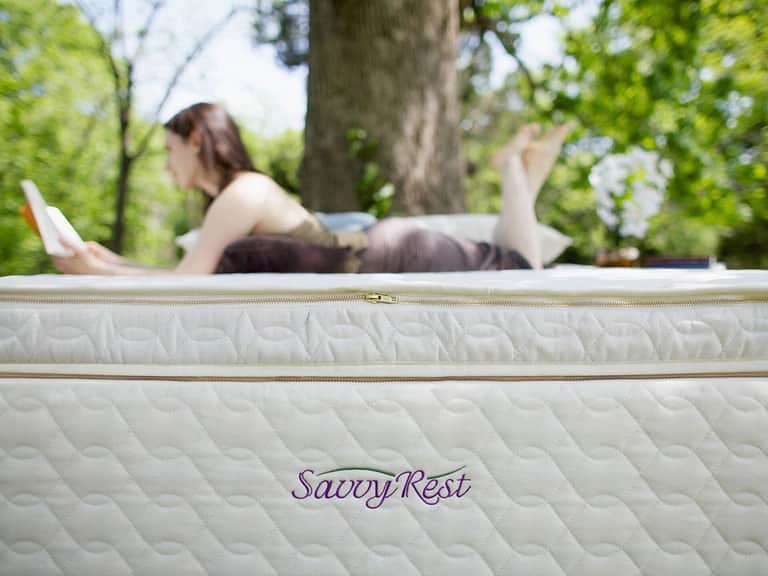
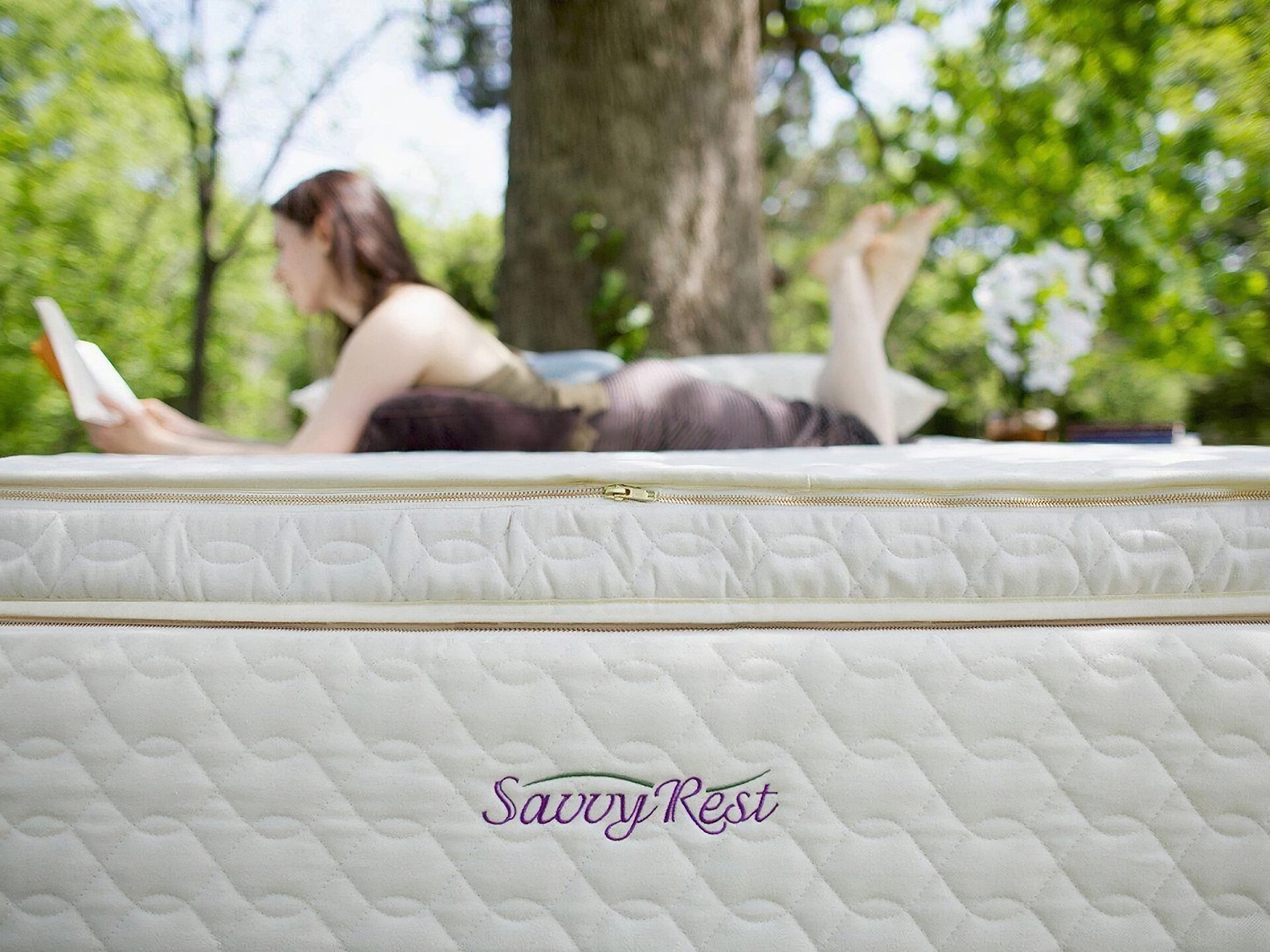
In the 888mattress frame, the emphasis is on sleep environment as a central pillar of health. A product like the Savvy Rest Unity Pillowtop Latex Mattress, with its layered, customizable latex composition and 20-year warranty, can symbolize high-quality support, but the broader aim remains environmental optimization and personal habit formation. A pillowtop surface can be a source of comfort for many sleepers, particularly those who find pressure points an issue. The Unity’s design—four layers with customizable firmness—offers a tangible takeaway: comfort is negotiable and adjustable, much like our routines.
Caffeine, Screens, and Timing: Aligning Stimulation with Your Clock
The cadence of caffeine and the glow of screens interact with sleep in intricate ways. The goal is not to ban all stimulation, but to time it so that your biological clock can still wind down. Strategy suggestions:
Caffeine: Limit late-day caffeine to avoid interference with sleep onset. If you must caffeinate after noon, consider decaf or lower-caffeine options.
Screens: Implement a digital sunset—reducing blue-light exposure in the hours preceding bedtime. Consider blue-light filtering apps or glasses if screen use is essential.
Naps: If you need a nap, keep it short and early—ideally 20 minutes or less, before mid-afternoon—to avoid compromising night sleep.
The New Yorker-esque cadence here is to observe with a humane eye: these changes are practical, not punitive, and they reflect the logic of a well-ordered day, where rest and alertness coexist in a balanced arc.
Troubleshooting Common Sleep Disruptors
Jet lag, shift work, and stress are formidable opponents, but with grounded, non-medical tips you can reduce their impact.
Jet Lag: Gradually shift your schedule a few days before travel, expose yourself to natural light according to destination time, and maintain hydration.
Shift Work: Create a personalized wind-down sequence after work; consider a dedicated dark environment to facilitate daytime sleep in adverse light conditions.
Stress Management: Short mindfulness or breathing exercises can reduce arousal, easing the transition to sleep.
Sleep Myth-Busting: Separating Fact from Fiction
Sleep is not a luxury or a magical fix-all. It is a biological necessity whose optimization requires steady practice. Common myths often derail good habits—misconceptions about the need for 8 hours universally, or that late workouts will doom you to insomnia. The truth: sleep needs are personal, and the quality of rest matters as much as the quantity.
Myth: You can “catch up” on weekends. Reality: Consistency matters more than occasional long sleeps.
Myth: Alcohol helps you sleep. Reality: It may disrupt sleep architecture and reduce restorative sleep.
Myth: Sleep is passive. Reality: Sleep is an active, restorative process that responds to daily cues and routines.
Three Key Figures Who Shaped Our Understanding of Sleep
Hippocrates (Ancient Greece)
The father of medicine, Hippocrates, argued for naturalistic, empirical approaches to health, including the sleep-wake cycle as a reflection of overall balance. His humoral theory implied that rest and wakefulness were tied to bodily equilibrium—a view that underlines the enduring idea that sleep is a foundation of health rather than a mere personal preference.
Pierre Janet (19th–20th Century, French Psychologist)
Janet’s explorations into anxiety, stress, and subjective experience laid early groundwork for understanding sleep disturbances as a psychological process. His emphasis on conscious experience foreshadowed modern approaches that consider cognitive and emotional states in sleep health.
Matthew Walker (Contemporary Sleep Scientist)
A contemporary authority on sleep, Walker synthesizes neuroscience, circadian biology, and public health. His work reframes sleep as a critical determinant of cognitive function, emotional regulation, and metabolic health, reinforcing the practical imperative to optimize sleep in daily life.
These figures span continents and centuries, but they share a common thread: sleep is integral to how we function, learn, and navigate the world. In the spirit of 888mattress, the aim is to translate science into accessible, humane guidance that you can apply in your own nightly rituals.
Resources: Where to Learn More
From official health organizations to peer-reviewed journals, credible sleep research offers a foundation for your routines. A few starter resources include the CDC’s sleep health guidance, NIH sleep research portals, and accessible summaries that translate technical findings into practical tips.
The editorial approach here is to keep information transparent, non-prescriptive, and grounded in scientific consensus, while recognizing the individual variability that characterizes sleep.
Conclusion: An Ongoing Conversation with Night
Sleep hygiene is not a destination but a daily practice—a form of self-respect that acknowledges the quiet, repetitive rituals that define our nights. The 888 motif invites a sense of reliability and continuity: eight, eight, eight, a rhythm, a reminder, a promise that better rest is always within reach when we align our days with the body's innate clock.
Remember: begin with small, consistent steps, create a sleep-conducive environment, and let your routine become a trusted companion. In a world that never stops, sleep remains a gracious pause—an essential act of care that enables us to wake to a better version of ourselves.
Experience cloud-like softness with targeted support: a plush Unity Pillowtop, ideal for side sleepers, plus customizable layers for your perfect fit and easy 90-day swaps. 13" tall, organic materials, breathable, and compatible with adjustable bases.
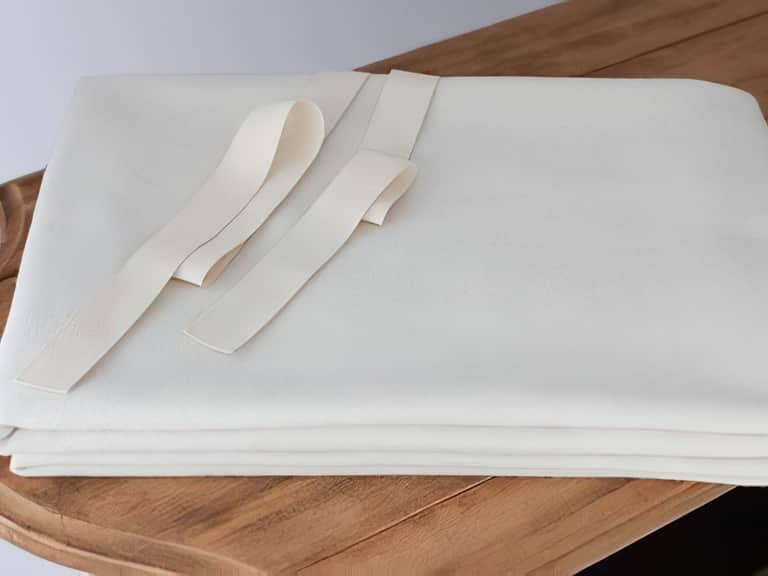
Enjoy a cozy, blanket-soft feel with moisture resistance and natural temperature regulation. removable cotton straps ensure a snug fit, while dust-mmite resistance and organic wool keep you healthy and cool all night. Made in the USA.
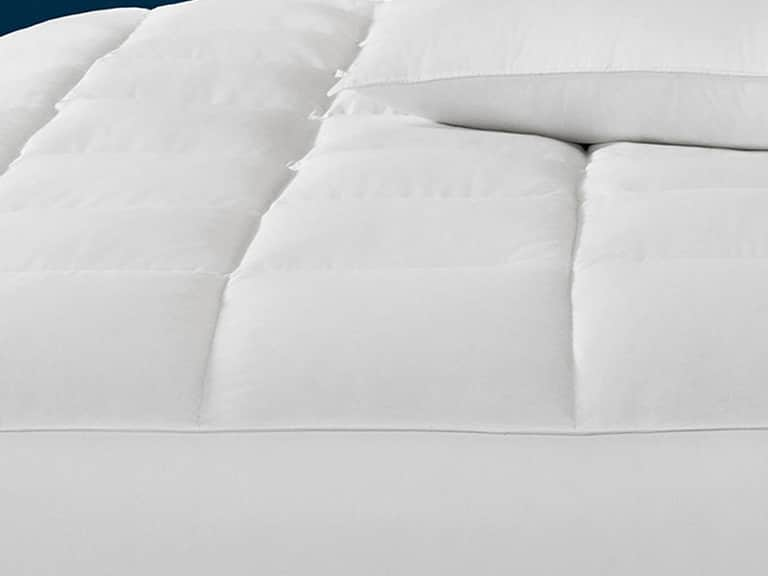
Experience breathable, cloud-like comfort with premium down and a soft cotton shell; 600+ fill power stays lofted, box-stitched for even warmth, and elasticized sides fit up to 20" mattresses for a snug, luxurious night’s sleep.